HEART VALVE
Understanding Heart Valves and Cardiologists
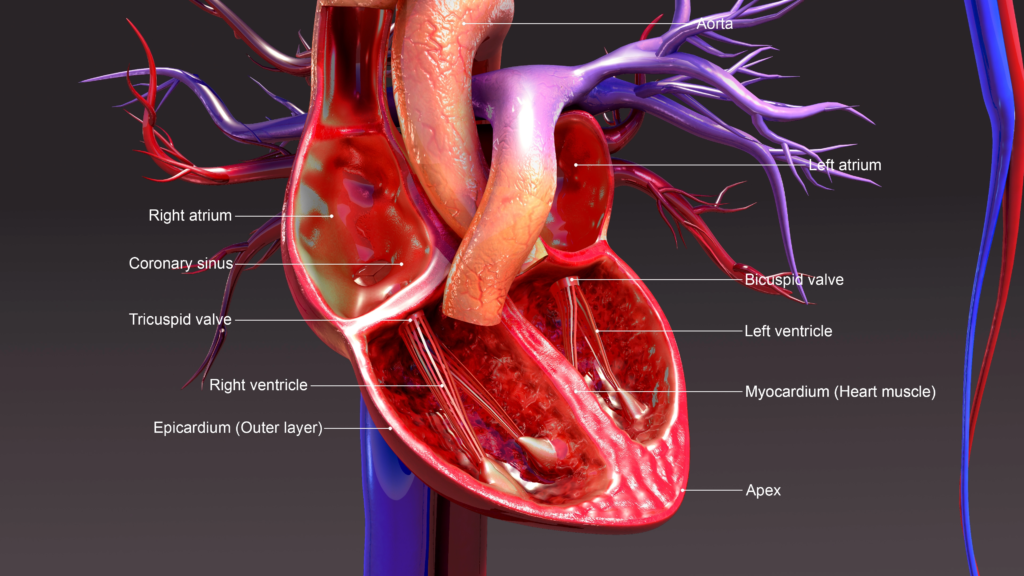
These valves ensure unidirectional blood flow, maintain proper blood pressure, and coordinate with the heart’s contractions for effective pumping.
Heart valves are specialized structures within the heart that regulate the flow of blood through its chambers. The human heart comprises four main valves, each serving a unique function.
The Aortic Valve, situated between the left ventricle and the aorta, allows blood to be pumped from the heart into the body.
The Pulmonary Valve, positioned between the right ventricle and the pulmonary artery, controls the flow of blood to the lungs for oxygenation.
The Mitral Valve, located between the left atrium and the left ventricle, regulates the flow of oxygenated blood to the body, while the Tricuspid Valve, between the right atrium and right ventricle, manages the flow of deoxygenated blood to the lungs.
Exploring the Anatomy of Heart Valves
Aortic Valve
The aortic valve, a vital component of the human heart, controls the flow of oxygenated blood from the left ventricle into the body's largest artery, the aorta. Ensuring a unidirectional path, this valve plays a key role in maintaining optimal blood circulation and overall cardiovascular health.
Pulmonary Valve
Situated between the right ventricle and the pulmonary artery, the pulmonary valve directs blood to the lungs for oxygenation. Its precise functioning supports efficient respiratory processes, highlighting its significance in the intricate network of heart functions and the body's oxygenation.
Mitral Valve
The mitral valve, positioned between the left atrium and ventricle, regulates the flow of oxygenated blood to the body. This crucial valve ensures seamless coordination between the heart's chambers, facilitating the systematic delivery of oxygen-rich blood to various organs and tissues.
Tricuspid Valve
Found between the right atrium and ventricle, the tricuspid valve manages the flow of deoxygenated blood to the lungs. Acting as a precision gatekeeper, it supports the heart's ability to efficiently pump blood for oxygenation, underscoring its essential role in the circulatory process.
Common Heart Valve Disorders: Causes and Symptoms
Aortic Stenosis:
- What it is: Narrowing of the aortic valve, making it harder for blood to leave the heart.
- Symptoms: Chest pain, fatigue, and shortness of breath.
Mitral Valve Prolapse:
- What it is: Mitral valve doesn’t close properly, allowing some blood to leak back into the heart.
- Symptoms: Most cases have no symptoms, but in severe cases, it might cause chest pain or palpitations.
Mitral Valve Stenosis:
- What it is: Narrowing of the mitral valve, making it difficult for blood to flow properly.
- Symptoms: Shortness of breath, fatigue, and heart palpitations.
Aortic Regurgitation:
- What it is: Aortic valve doesn’t close tightly, allowing some blood to flow back into the heart.
- Symptoms: Fatigue, shortness of breath, and potentially chest pain.
Tricuspid Valve Disorders:
- What it is: Issues with the tricuspid valve affecting blood flow between the right atrium and ventricle.
- Symptoms: Swelling in the abdomen or legs, fatigue, and irregular heartbeat.
Pulmonary Valve Disorders:
- What it is: Conditions affecting the pulmonary valve, impacting blood flow between the right ventricle and pulmonary artery.
- Symptoms: Shortness of breath, chest pain, and fatigue.